
If you have ever dreamed of creating the warm, comforting aroma of fresh-baked bread filling your kitchen, this Homemade Bread Recipe is exactly what you need. With simple pantry staples and a hands-on approach, this recipe invites you to experience the joy of making your own sandwich loaf from scratch. Each slice offers a perfect balance of soft texture, mild sweetness, and just the right amount of crusty golden brown that makes bread not just a side, but the star of any meal.
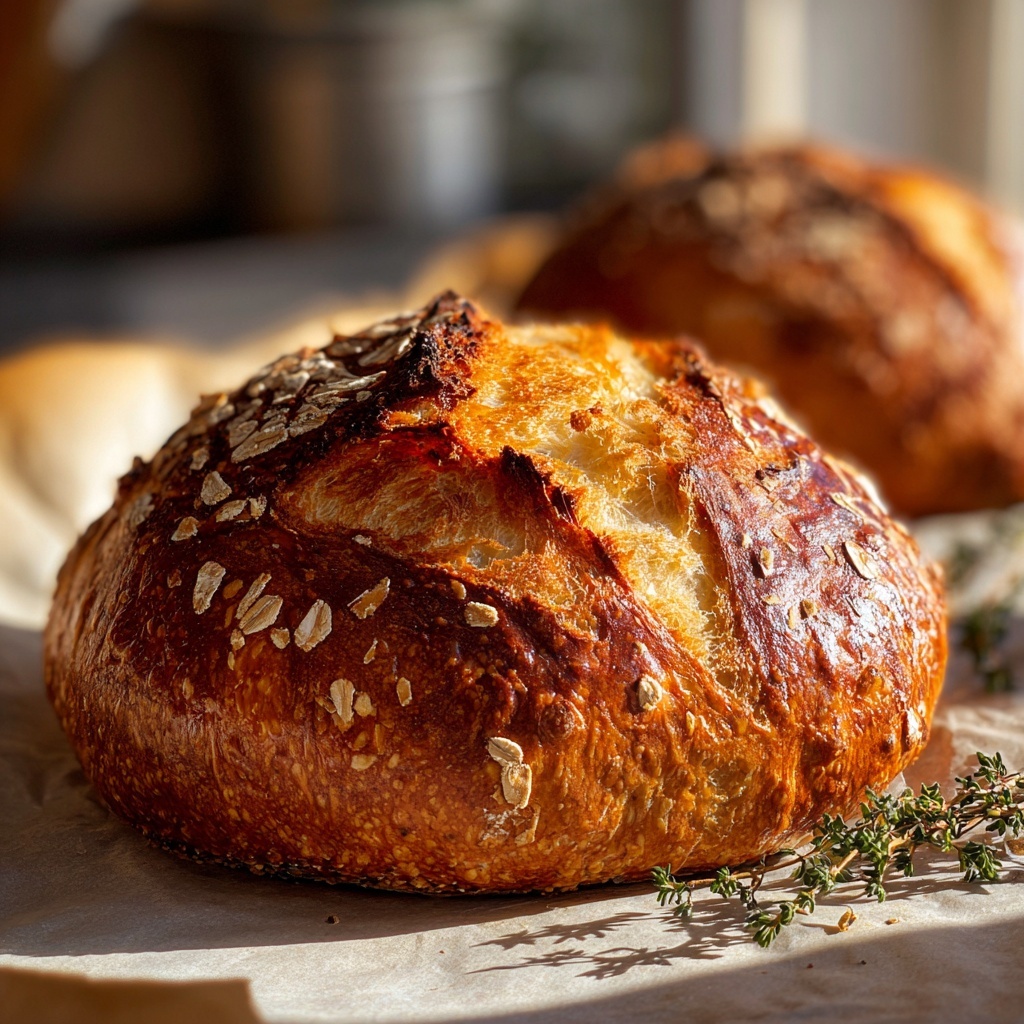
Ingredients You’ll Need
The magic behind this homemade bread lies in its straightforward yet essential ingredients. Each one plays a crucial role in building flavor, texture, and that inviting golden color that signals perfection.
- 4 cups all-purpose flour (plus more for kneading): Provides the structure and body for your bread, with gluten forming the elastic network when kneaded.
- 1 packet (2 1/4 teaspoons) active dry yeast: This little powerhouse makes the dough rise, creating that airy, fluffy crumb we all love.
- 1 1/2 cups warm water (110°F): Warms the yeast into action while hydrating the flour to bring the dough together.
- 2 tablespoons granulated sugar: A touch of sweetness that feeds the yeast and enhances browning on the crust.
- 1 1/2 teaspoons salt: Critical for flavor balance, it also controls yeast fermentation and strengthens dough structure.
- 2 tablespoons vegetable oil or melted butter: Adds tenderness and richness to each bite, keeping the bread moist.
How to Make Homemade Bread Recipe
Step 1: Activate the Yeast
Start by dissolving sugar in the warm water to create a cozy environment for the yeast. Sprinkle the yeast over the surface and wait patiently for 5 to 10 minutes as it becomes foamy and alive. This step ensures your bread will rise beautifully with a soft, airy texture.
Step 2: Combine Wet Ingredients and Start Mixing Dough
Once your yeast mixture is foamy, stir in the oil or melted butter along with the salt. This combination enriches the dough and controls fermentation. Gradually add in the flour, one cup at a time, mixing until you have a shaggy, sticky dough that is just beginning to come together.
Step 3: Knead Until Smooth and Elastic
Turn your dough onto a floured surface and knead with enthusiasm for 8 to 10 minutes. This is where the magic of gluten development happens, transforming your shaggy mass into a smooth, elastic ball ready to rise. Kneading might be a workout, but the results are deeply rewarding.
Step 4: First Rise
Lightly grease a large bowl and place your dough ball inside. Cover it with a damp cloth or plastic wrap, then tuck it into a warm spot. After 1 to 1 1/2 hours, the dough will have doubled in size, testimony to that perfect balance of yeast, sugar, and warmth.
Step 5: Shape and Second Rise
Gently punch down the dough to release built-up gases, then shape it into a loaf. Place it in a greased 9×5-inch loaf pan. Cover again and let it rise for another 30 to 45 minutes, until it’s puffy and ready for baking. This second rise sets the stage for an irresistible crumb and shape.
Step 6: Bake to Golden Perfection
Preheat your oven to 375°F (190°C) and bake the loaf for 30 to 35 minutes. A golden brown crust and a hollow tap on the bottom are your signs that you have created bread perfection. Let the loaf cool first in the pan before transferring it to a wire rack to cool completely – the cooling step helps preserve the texture and makes slicing easier.
How to Serve Homemade Bread Recipe

Garnishes
Fresh from the oven, you can add a simple yet indulgent touch by brushing the crust with melted butter. It adds a lovely sheen and an extra layer of richness that makes every slice mouthwatering. For a savory twist, sprinkle herbs or coarse salt atop before baking.
Side Dishes
This homemade bread is the perfect companion for countless dishes. Whether serving alongside a hearty soup, a fresh garden salad, or a flavorful stew, the humble slice of bread completes your meal with comfort and substance. It’s also ideal for making classic sandwiches or as a base for toasts topped with avocado or jam.
Creative Ways to Present
Want to impress your guests or just add some fun? Cut this loaf into thick slices for rustic bruschetta topped with fresh tomatoes and basil, or toast thin slices and serve as crostini with dips. Homemade bread also works beautifully as a base for bread pudding or savory stuffing, showcasing its versatility beyond the sandwich table.
Make Ahead and Storage
Storing Leftovers
Once cooled, wrap your bread tightly in plastic wrap or place it in a bread box to maintain freshness. It will stay soft and tasty for 2 to 3 days at room temperature, making it easy to enjoy homemade bread throughout the week.
Freezing
If you want to keep your homemade bread longer, slice it first, then freeze it in an airtight bag. This way, you can pull out just the number of slices you need without thawing the entire loaf. Frozen bread retains its texture well for up to 3 months.
Reheating
To bring your bread back to life, toast slices straight from the freezer or warm the whole loaf wrapped in foil in a 350°F (175°C) oven for about 10 minutes. Warming recreates that freshly baked experience, making each bite soft and fragrant once again.
FAQs
Can I use whole wheat flour instead of all-purpose flour?
Absolutely! You can substitute half of the all-purpose flour with whole wheat flour for a heartier loaf with extra fiber and nutrients. Keep in mind the texture will be denser and flavor more robust, which many people love.
What if my dough doesn’t rise?
If the dough doesn’t rise, it might mean your yeast is inactive or the water was too hot or too cold. Always use warm water around 110°F and check the yeast’s expiration date. A foamy yeast mixture is a surefire sign the yeast is alive.
Do I have to knead by hand?
While hand kneading is recommended for the best texture and for the joy of baking, you can use a stand mixer with a dough hook attachment to save time and effort. Just be careful not to over-knead, which can make the bread tough.
Can I add seeds or nuts to the dough?
Yes! Adding ingredients like sunflower seeds, flaxseeds, or chopped nuts provides delightful texture and flavor. Mix them in after your initial kneading, then shape and proceed as usual.
How do I know when the bread is fully baked?
The best indicators are a golden brown crust and a hollow sound when you tap the bottom of the loaf. You can also use an instant-read thermometer; the bread is done when the internal temperature reaches around 190°F to 200°F.
Final Thoughts
There is something truly special about pulling a warm loaf of homemade bread out of your oven — it’s a little celebration of craftsmanship, flavor, and comfort all rolled into one. This Homemade Bread Recipe is easy enough to become your go-to, yet rewarding at every stage. I encourage you to try it, share it, and watch it become a cherished staple in your kitchen just as it has in mine.
Print
Homemade Bread Recipe
- Prep Time: 15 minutes
- Cook Time: 35 minutes
- Total Time: 2 hours 30 minutes
- Yield: 1 loaf (about 12 slices)
- Category: Bread
- Method: Baking
- Cuisine: American
- Diet: Vegetarian
Description
This easy homemade bread recipe yields a soft, golden loaf perfect for sandwiches, toast, or enjoying warm with butter and jam. With simple pantry ingredients and a straightforward baking method, it’s a great introduction to baking your own bread at home.
Ingredients
Dry Ingredients
- 4 cups all-purpose flour (plus more for kneading)
- 1 packet (2 1/4 teaspoons) active dry yeast
- 2 tablespoons granulated sugar
- 1 1/2 teaspoons salt
Wet Ingredients
- 1 1/2 cups warm water (110°F)
- 2 tablespoons vegetable oil or melted butter
Instructions
- Activate the yeast: In a large bowl, dissolve the sugar in warm water, then sprinkle the yeast on top. Let it sit for 5–10 minutes until the mixture becomes foamy, indicating the yeast is active.
- Mix the dough: Stir in the oil and salt into the yeast mixture. Gradually add the flour, one cup at a time, mixing until a shaggy dough forms that starts to pull away from the sides of the bowl.
- Knead the dough: Turn the dough out onto a floured surface and knead for 8–10 minutes until it becomes smooth and elastic, which helps develop gluten for a good structure.
- First rise: Place the dough in a lightly greased bowl, cover it with a damp cloth or plastic wrap, and let it rise in a warm spot for 1 to 1 1/2 hours, or until doubled in size.
- Shape the loaf: Punch down the risen dough to release air bubbles, shape it into a loaf, and place it in a greased 9×5-inch loaf pan. Cover and let rise again for 30–45 minutes until it’s puffy and nearly doubled in size.
- Bake the bread: Preheat your oven to 375°F (190°C). Bake the bread for 30–35 minutes, or until the crust is golden brown and the loaf sounds hollow when tapped.
- Cool the bread: Let the bread cool in the pan for 5 minutes, then transfer it to a wire rack to cool completely before slicing, which helps the crumb set and prevents the bread from becoming gummy.
Notes
- Brush the top of the bread with melted butter immediately after baking for extra flavor and a soft crust.
- You can substitute half of the all-purpose flour with whole wheat flour to make a heartier loaf.
- This recipe is versatile—perfect for sandwiches, toast, or served warm with butter and jam.